Robert Putnam’s seminal 2000 book Bowling Alone described the decline in social capital in the US from 1950.
He mentioned bridge clubs on a few occasions, but not chess clubs. But his title comes from the idea that, a few decades ago, people went bowling with their friends, but, by the 1990s they were much more likely to bowl alone.
The chess trajectory is a bit different because of the Fischer boom in the 1970s, but we can also see a gradual decline in chess participation since that decade.
At the same time there has been a rise in chess participation online, driven in recent years, by the success of the Netflix drama series The Queen’s Gambit, by COVID, and, most of all by the popularity of chess streamers and content creators.
Perhaps they’ll play online against humans, some of whom may be using computer assistance. But many of them, especially children and novices, will be playing against bots. Bots such as Martin.
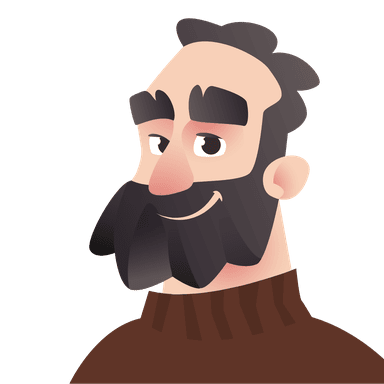
You may well have played him yourself. chess.com has a large number of character bots suitable for players of all levels.
Martin is the weakest of the lot. He plays at such a low level that even beginners can beat him easily, which, I’m sure, is often great for their confidence. But playing online might be seen as symptomatic of the loss of social capital Putnam pointed out.
Chess With Martin, I’d suggest is the 64 square equivalent of Bowling Alone.
If you’re reading this you’ll be aware that there is an epidemic of mental health problems amongst young people. For many of those, one of the drivers is loneliness. In a world where we’re more and more connected online, we’re less and less connected offline. The decline in social capital since 1950 (coincidentally or not, the year I was born), which Putnam pointed out a quarter of a century ago, has continued apace, and the results of this are only too clear.
For me, the main purpose of chess clubs is providing social capital, a Third Space, somewhere where lifelong friendships between people from different backgrounds can be forged through a shared interest.
How can we get young people who have learnt chess online to switch off their screens, give Martin a break and join a club where they can play humans? Joining a children’s club full of much younger children won’t help, and they may not be ready for competitive adult chess.
This is where we need a new sort of chess club – and we need to get the message out, through schools and social media, that such a club exists.
 CHESS MINDS